

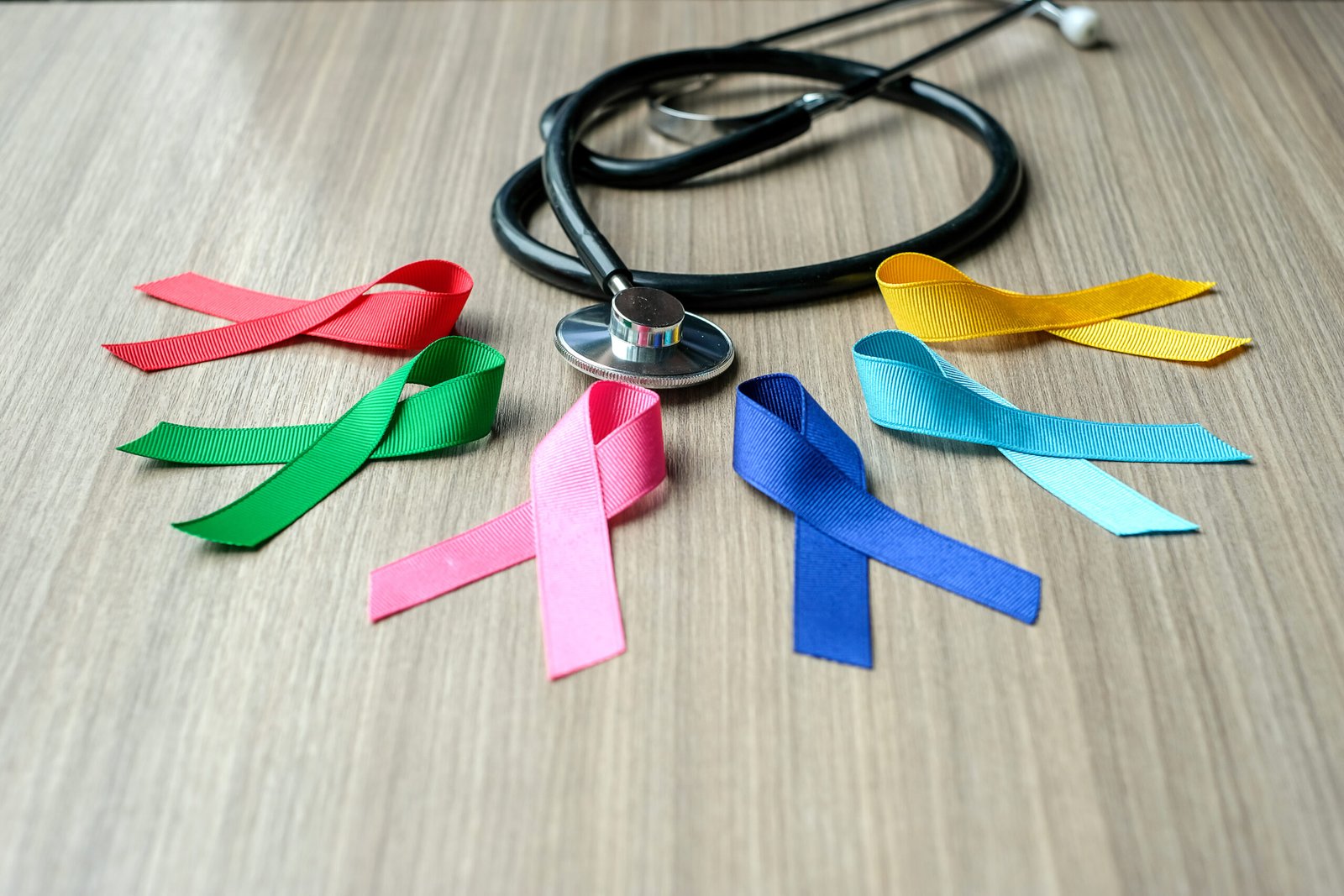
What Is Cancer?
The word cancer refers to malignant growths that develop when cells in an organ or tissue divide and multiply abnormally. More broadly, cancer is a group of more than 100 diseases caused by uncontrolled cell growth in different parts of the body. Although there are many types of cancer, they all begin with abnormal cells multiplying out of control. If left untreated, cancer can cause serious illness and even death.
The term cancer was coined by the Greek physician Hippocrates (460–370 BC), known as the father of medicine. Hippocrates used the terms carcinos and carcinoma for tumors that formed ulcers and those that did not.
How Does a Normal Cell Become Cancerous?
All types of cancer develop from our cells, the body’s basic units of life. Understanding how normal cells become cancerous helps us understand cancer.
Healthy cells in the body can divide, although muscle and nerve cells do not have this ability. Cells use division to replace dead cells and repair injured tissues. They divide more rapidly early in life and more slowly in adulthood. However, this ability is limited: cells cannot divide indefinitely. Each cell can divide a certain number of times over its lifetime. A healthy cell regulates how much it divides and dies when necessary; this is called apoptosis, or programmed cell death. Normally, cells need to grow, divide and produce more cells for the body to function properly. Sometimes this process goes wrong and cells continue dividing even when new cells are not needed. Cancer cells lose normal control and multiply without restraint. The resulting mass of excess cells forms a growth or tumor.
At the center of a cell, the nucleus contains microscopic strands called DNA, which store the genetic information of the cell and the organism and can be visualized using an electron microscope. DNA is essential for normal cellular function. Cancerous cells arise because of damage to these DNA strands. In a normal cell’s life cycle, DNA damage is either repaired or the cell dies. In cancerous cells, damaged DNA is not repaired and uncontrolled growth begins. Environmental factors such as chemicals, viruses, tobacco products or excessive sunlight can damage DNA.
Cancer cells accumulate to form tumors. Tumors may be benign or malignant. Benign tumors are not cancer. They are often removed and usually do not recur. Their cells do not spread to other parts of the body and, importantly, benign tumors rarely threaten life. Malignant tumors are cancerous. Their cells are abnormal and divide uncontrollably and irregularly. These tumors may compress, invade or destroy normal tissues. If cancer cells detach from their original tumor, they can travel through the blood or lymphatic circulation to other parts of the body, where they form new colonies and continue growing. This spread of cancer to other parts of the body is called metastasis.
What Are the Symptoms of Cancer?
Knowing the symptoms of cancer is important for early diagnosis. However, having one or more of these symptoms does not mean that a person has cancer; they can also be symptoms of many non-cancerous conditions.
1. Weight loss: Unexplained weight loss may be the first sign of many cancers, particularly stomach, pancreatic, esophageal and lung cancer, and cancers of the lymph nodes.
2. Fever: Fever is common in cancer but is generally associated with advanced disease. In hematological cancers, it can be an initial symptom of leukemia and lymphoma.
3. Night sweats: Unexplained night sweats can be an initial symptom of hematological cancers, particularly lymphomas.
4. Fatigue: Fatigue may occur early in blood cancers or cancers that cause anemia, such as stomach or colorectal cancer. It is an important finding when assessing the course of cancer.
5. Pain: Pain may be an initial symptom of bone or testicular tumors, but it is generally a symptom of advanced cancer.
6. A lump: Lumps felt in the breast or elsewhere in the body are important. Breast, testicular, lymph node and soft tissue tumors may be felt as a lump or swelling under the skin.
7. Skin changes: Skin changes can occur with tumors of internal organs as well as skin tumors. Some cancers may cause jaundice, darkening of the skin or redness.
8. Bleeding: Unusual bleeding can occur at an early or late stage in many cancers. Blood in sputum may be a sign of lung cancer; blood in the stool, colorectal cancer; blood in the urine, bladder cancer; and abnormal vaginal bleeding, uterine or cervical cancer.
9. Changes in bowel habits: Persistent constipation, diarrhea or changes in stool size may be an initial sign of colorectal cancer.
10. Changes in urination: Pain when urinating, blood in the urine or changes in urinary frequency may be early signs of prostate or bladder cancer.
11. Coughing and snoring: A persistent cough that does not go away may be an early sign of lung cancer, while snoring may be an early sign of laryngeal cancer.
12. Changes in moles and warts: A new change in the shape, size or color of a longstanding mole or wart should prompt an immediate medical consultation, because early diagnosis improves the chance of treating the skin cancer known as malignant melanoma.

Cancer Risk Factors
A risk factor is anything that increases the likelihood of developing a particular type of cancer. Some factors, such as smoking and alcohol, can be controlled, while others, such as age and genetic characteristics, cannot. It is not known whether many risk factors directly cause disease. Risk factors help doctors identify people who are more likely to develop cancer.
It is important to know the risk factors.
Young people with a family history of cancer have a higher risk. For example, a woman whose mother or sister has had breast cancer has twice the risk of developing breast cancer compared with a woman without such a family history.
People with a history of cancer or risk factors may benefit from earlier and more frequent screening. Genetic testing is also recommended for these individuals.
Risk factors can be divided into four groups.
Behavioral risk factors: these are factors you can change, such as smoking, diet, exercise and alcohol consumption. Quitting smoking or exercising regularly can reduce your cancer risk. Avoiding tobacco and alcohol, controlling weight, exercising for at least 30 minutes each day, and following a balanced diet based on natural foods are important.
Biological risk factors: these are physical characteristics such as age, sex and race. Whether physical and biological characteristics are risk factors depends on the type of cancer. Characteristics that may increase the risk of certain cancers include:
Sex: some cancers are associated with sex. For example, because only men have a prostate gland, prostate cancer occurs in men. Breast cancer can affect both women and men, but women have a higher risk.
Age: many types of cancer occur in older adults. People over 50 have a higher risk of developing cancer. Hematological cancers such as chronic leukemias and multiple myeloma, for example, are more common in older people.
Race: some cancers are more common in certain racial groups. For example, prostate cancer is more common among Black Americans.
Skin: skin cancer is more common among people with fair hair.
Environmental risk factors: the conditions in which you live or work may increase the risk of cancer. Certain substances in the home or workplace increase risk. Asbestos, radon, air pollution, UV radiation and exposure to tobacco smoke are environmental risk factors. Dietary components can also increase cancer risk, while others may be protective.
Genetic risk factors: these relate to genes inherited within a family. Cancer risk is higher when a family member is diagnosed at a young age, the same type of cancer occurs across three or more generations, more than three cases occur on either the maternal or paternal side, or one family member has two or more different types of cancer.
Even when several family members have the same type of cancer, it may not be hereditary. Genetic screening should be performed if hereditary cancer is suspected.
Cancer Is a Preventable Disease…
Despite advances in modern medicine, cancer remains a major health issue because it is still among the leading causes of death worldwide and in our country. Diagnosis and treatment require cooperation across specialties. Early diagnosis is important. Türkiye has national screening programs, particularly for breast, cervical and colorectal cancer.
Cancer prevention is more important than treatment. Avoiding carcinogenic environmental factors, especially tobacco and alcohol, is important. Controlling weight, exercising regularly, avoiding excessive sunlight, not taking unnecessary vitamin supplements, managing stress, following an appropriate diet rich in fruit and vegetables, and eating natural foods may reduce cancer incidence.
Cancer can be diagnosed early:
People with a history of cancer or risk factors may benefit from earlier and more frequent screening. Genetic testing is also recommended where appropriate.
If you have a family history or belong to a high-risk group, cancer screening is important for early diagnosis. Contact a KETEM center for this purpose.
Cancer can be treated:
Today, people with chronic myeloid leukemia (CML) can live almost as long as healthy people in their age group, taking a single pill each day. In other words, leukemia can be controlled with one pill: “Take your pill and keep leukemia under control.” We therefore recommend that people with CML take their medication regularly.
With current drug treatments and radiotherapy, success rates in some lymphomas, such as Hodgkin lymphoma, may reach 95%. High success rates can also be achieved with stem cell transplantation in some aggressive lymphomas.
With modern treatments, a life free of leukemia is possible in acute leukemias. The first stage is drug treatment, which must be carried out effectively to control the disease early. If the risk of recurrence is high, stem cell transplantation may then be used. It is one of the effective treatments for blood cancers.
In addition to the cancers mentioned above, important developments are being made every day in the treatment of many other types of cancer.
Cancer Prevention Information Activities
Cancer is difficult to face not only because of its physical effects, but also because of its social, financial and emotional dimensions. Its global burden continues to increase. Prevention and early diagnosis are recognized as the most important cancer control strategy of the twenty-first century. Identifying carcinogens and taking timely precautions are therefore particularly important.
As industrial development accelerates, debates about carcinogens increasingly occupy public attention. In recent years, carcinogenic substances have also prompted major debates about industrial products around the world. Some discussions are grounded in scientific evidence, while others involve unsupported hypotheses serving particular interests.
The Ministry of Health’s Cancer Department is legally responsible for promptly reviewing issues of public concern that may involve carcinogens, assessing them with relevant national and international institutions and scientists, and informing the public. Scientists who consider a potential carcinogenic risk to be high should therefore submit their evidence to the Cancer Department so that the matter can be reviewed promptly, the necessary investigations conducted and the public informed of the findings.
Scientific evidence and technology develop rapidly. Reports about suspected carcinogenic agents are valid for the date on which they were prepared. The Cancer Department is responsible for monitoring relevant evidence, updating previously published reports and providing the public with the most current and accurate information.
Hundreds of new molecules are investigated every day for cancer prevention and treatment. Because evidence may be insufficient, studies may be limited to preclinical or animal research, or the expected benefits may not be observed in humans, only one or two may eventually enter clinical use. Research therefore continues until scientific evidence is reliable and accurate. The Ministry of Health’s Cancer Department continues to monitor developments and inform the public using current data.
Common cancer treatments include surgery, radiotherapy and chemotherapy. Hormone therapy, biological treatments and targeted therapies are used less frequently.
These treatments may be used alone or in combination.
The first treatment given is generally known as first-line treatment.
Treatment given after the initial treatment is called adjuvant therapy. Chemotherapy after surgery is adjuvant therapy. Treatment given before the initial treatment is called neoadjuvant therapy.
For example, hormone therapy given before surgery is neoadjuvant therapy.
Many experimental treatments are tested in clinical trials.
Cancer treatment increasingly requires specialized expertise and is generally delivered by a team led by a medical oncologist.
Before starting treatment, you will want to understand its goals, how long it will last and its potential side effects.
It is important for patients and their families to feel comfortable with their doctors and the treatments they recommend.
Sometimes you may wish to seek a second opinion about your treatment.
Radiation in Cancer Treatment
Chemotherapy
Surgical Treatment
Hormone Therapy
Biological Therapy
Alternative Treatments
Staging
This text provides general information. Because conditions may vary, consult your specialist for an individual assessment.